Los Gatos ADU Guide for Buyers: Evaluate Any Property
December 25, 2025
December 25, 2025
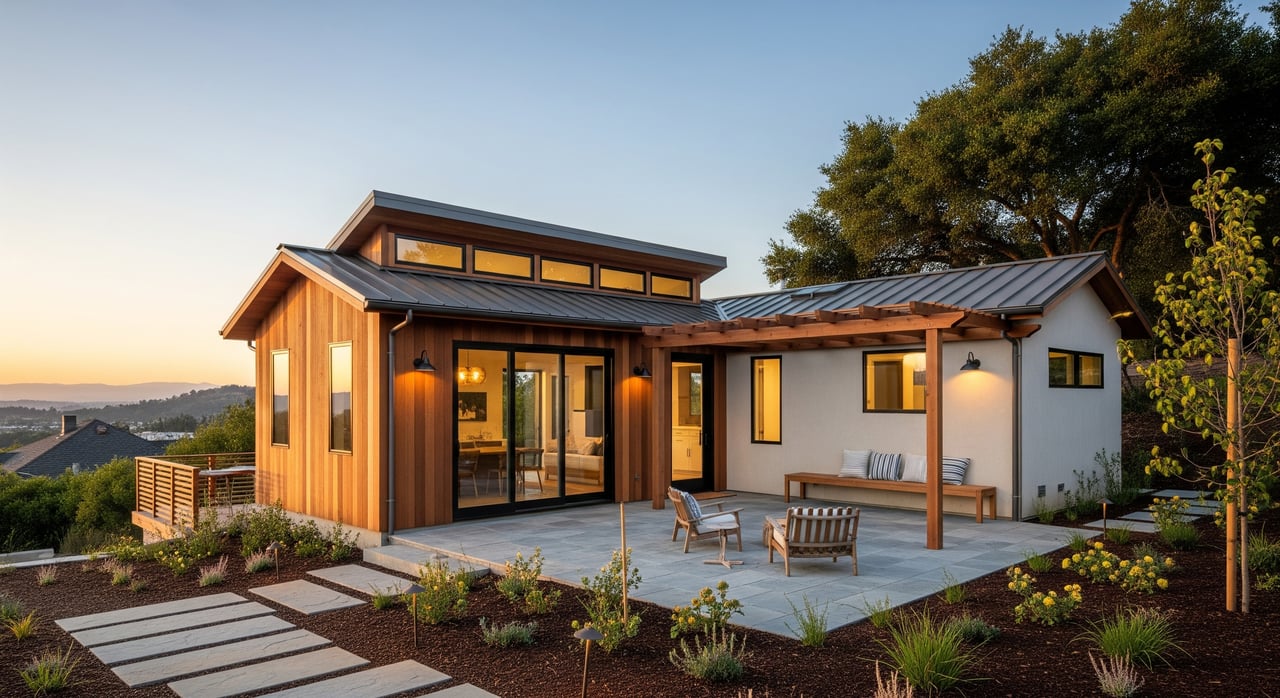
Thinking about buying in Los Gatos and hoping an accessory dwelling unit could help offset your mortgage or support multigenerational living? You’re not alone. In a high-cost market, ADUs are a practical way to add flexibility and long-term value without subdividing a lot. In this guide, you’ll learn how ADUs work in Los Gatos, what rules apply, what to check on a property, and how costs, financing, and timelines typically play out. Let’s dive in.
Los Gatos sits in the heart of Silicon Valley’s housing market, where demand is strong and developable land is limited. ADUs help you create rental income, support family members, or add flexible space for an office or caregiver. They can also strengthen long-term utility and marketability, especially when you plan thoughtfully for layout, privacy, and access.
Because the region emphasizes adding housing units, state law supports ADU production while allowing local standards. That means you benefit from a streamlined path in many cases, but you still need to confirm local details with the Town of Los Gatos.
A small, separate structure on your lot. This feels like a cottage or casita and offers the most privacy. It often involves new foundations, full utilities, and independent access.
An addition that connects to your main home. It can share a wall and some systems, which may simplify certain utility runs compared to a fully detached unit.
A garage or existing accessory building converted into a dwelling. This can be cost-effective if the structure and placement work, though code upgrades still apply.
An internal conversion within the existing home, up to 500 square feet. JADUs are recognized under state law and can be a lower-impact way to create a separate living space.
California has passed several laws since 2017 to encourage ADUs. For many qualifying projects, approvals are ministerial and are generally decided within 60 days once you submit a complete application. State rules also limit local parking requirements in many situations and require certain impact fees to be proportional to the ADU’s size.
In Los Gatos, town-specific standards still apply. Before you assume an ADU is feasible, confirm the following with the Town’s Planning and Building staff:
Because ADU policy evolves, always review current town guidance and state resources during your due diligence.
Lot size, coverage, and floor area ratio can determine what you can build and where. Overlays matter too. Hillside, historic district, floodplain, or high fire severity zones can trigger added standards or materials requirements. If the property has CC&Rs or an HOA, check those rules early.
Plan for building, plumbing, mechanical, and electrical permits. Key checks include:
Local utility district policies drive timelines and fees, so confirm requirements for the specific parcel.
Los Gatos foothill and forested areas can fall within high fire severity zones. In these locations, codes may require fire-hardened construction, defensible space, and possibly sprinklers. State seismic standards apply to all new work.
Even when parking is reduced by state rules, you still need safe, practical access and a logical layout for residents and services. Consider shared driveways, turning radii, and clear pathways to entrances.
Detached units visible from the street or properties within design-sensitive areas may require design review. Expect your design to respect neighborhood character while meeting objective standards.
ADU costs vary widely by type, finishes, site work, and utility needs. Typical Bay Area ranges include:
Beyond construction, budget for municipal permits, school or park fees where applicable, and utility connection or capacity fees. These can add several thousand to tens of thousands of dollars depending on size and provider requirements.
Return on investment depends on build cost, rent potential, and how you plan to use the unit. Many owners value the non-financial benefits just as much: multigenerational living, caregiver proximity, and flexible long-term utility.
You have several options to fund an ADU:
Coordinate early with a lender so your financing structure fits your timeline and project scope.
New ADU construction generally adds assessed value under California property tax rules. The Santa Clara County Assessor typically reassesses only the value added by the new construction. Confirm details for your parcel and project to estimate the tax impact.
Update your homeowner insurance to reflect the ADU. If you plan to rent the unit, consider added liability coverage or landlord policy options. This helps protect rental income and addresses risks specific to having a separate unit.
ADU rents in Los Gatos reflect Santa Clara County market conditions, size, finishes, location, and whether utilities are included. When you run numbers, include vacancy, maintenance, insurance, property taxes, and compliance with rental laws. If you are exploring short-term rental options, review Los Gatos rules on short-term rentals before you commit to that strategy.
If the unit will serve family members, consider aging-in-place features like level entries, wider doorways, and easy-access bathrooms. These design choices improve comfort and long-term usability.
Browse Los Gatos homes with ADU potential — search active listings here.
Use this list when evaluating a Los Gatos property for ADU potential:
You want confident, local guidance as you weigh ADU potential during a home purchase. Our team understands neighborhood patterns, typical site constraints, and how ADU rules intersect with Los Gatos properties. We help you identify red flags early, frame realistic budgets and timelines, and align your plan with your lifestyle and investment goals.
When you are ready to explore properties with strong ADU potential or evaluate one you already love, connect with Tom Yore & Theresa Van Zant for a consultative conversation.
Theresa Van Zant is Los Gatos's go-to ADU expert — visit the homepage to learn more.

Success starts with the right partnership. At the Yore | Van Zant Real Estate Group, we deliver personalized service, strategic insight, and results that move you forward.