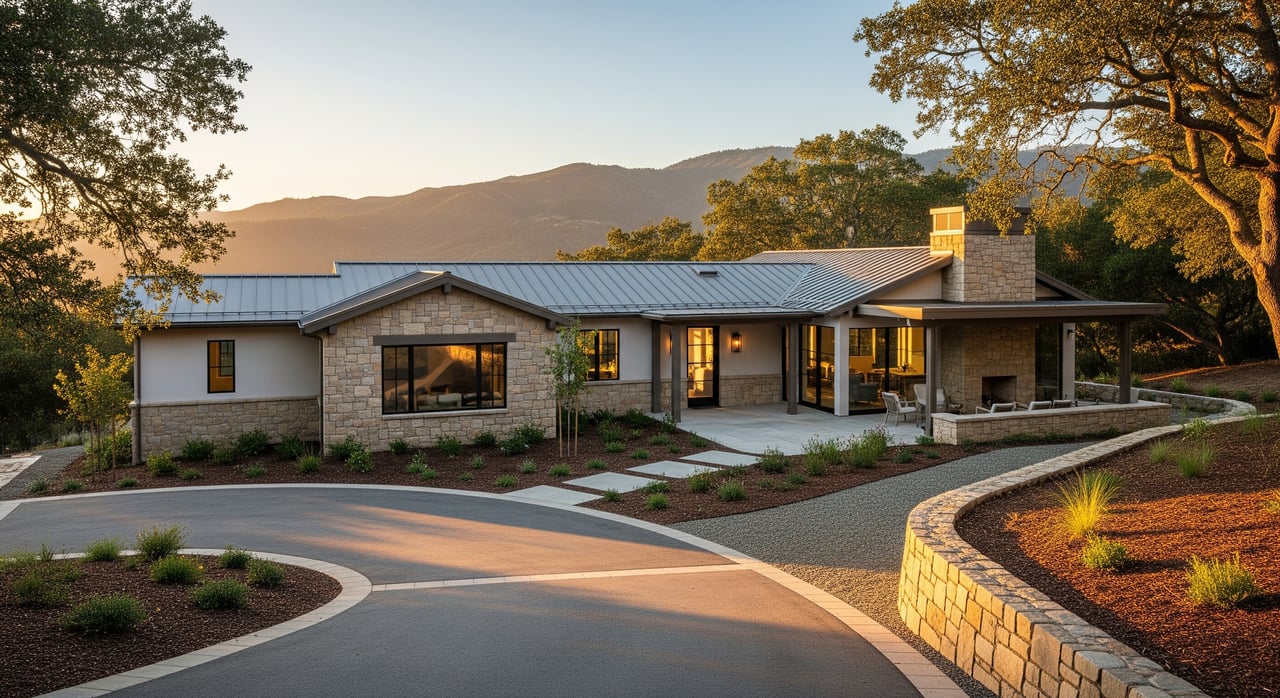
Designing A WUI‑Ready Remodel In Saratoga
October 30, 2025
October 30, 2025
Wildfire season is part of life in Saratoga, especially if your home sits near the western hills. You want your remodel to look great and also protect your investment. The good news is you can design for both beauty and resilience. In this guide, you’ll learn the local rules, the smartest upgrades, and how to plan a WUI-ready project that fits your budget. Let’s dive in.
Parts of Saratoga fall inside the Wildland Urban Interface and the City identifies areas as Very High Fire Hazard Severity Zones. The City partners with Santa Clara County Fire and the FireSafe Council on inspections and mitigation programs that affect homeowners. You can review programs and requirements on the City’s Fire Prevention page for current guidance and rebate updates. City of Saratoga Fire Prevention
CAL FIRE updated local Fire Hazard Severity Zone maps in 2025. Local agencies are reviewing and adopting these maps, which can expand where stricter rules apply. Check the County’s LRA map information to see how mapping may affect your property and permits. Santa Clara County LRA maps
California’s defensible space law generally requires you to manage vegetation within 100 feet of structures or to the property line. Work closest to the home is the most important. Plan your landscape and hardscape so you meet these requirements. CAL FIRE defensible space
If your home is in a mapped WUI or VHFHSZ, parts of your remodel may need to meet Chapter 7A ignition-resistant standards. This often applies when you replace roofing, windows, vents, siding, or decks. The State Fire Marshal’s WUI resources explain the core requirements and product listings for compliant materials. OSFM Building in the Wildland
Codes are updated on a regular cycle, and the State has moved some Chapter 7A provisions into the WUI Code in recent updates. Because 2024–2025 brought mapping and code changes, verify details with Saratoga’s Community Development and Santa Clara County Fire before final design and permitting. 2025 Title 24 updates
Your roof is the most important surface to harden. A Class A roof system resists ignition and is required under WUI standards in many cases. Keep gutters clear and consider metal guards that limit debris build-up.
Replace attic, soffit, and crawlspace vents with ember-resistant products listed by the State Fire Marshal. Use corrosion-resistant metal mesh with openings no larger than 1/8 inch. Many experts prefer 1/16 inch where feasible for added protection. Technical guidance on vent mesh sizing
Choose ignition-resistant or noncombustible siding such as fiber cement or stucco. Enclose eaves and under-eave areas so embers cannot collect in gaps. Use solid exterior doors and seal perimeter gaps to prevent ember entry.
Install multipane windows with at least one pane of tempered glass where required. Tempered glass better resists radiant heat. Make sure frames are tight and sealed to reduce ember intrusion.
Use ignition-resistant decking. Install metal flashing at the deck-to-wall intersection, with at least 6 inches of flashing noted in legislative summaries. Enclose under-deck spaces and screen openings so embers cannot blow in. Keep combustible furniture, planters, and storage out of the first 5 feet from the home. Deck-to-wall flashing reference
Follow the home ignition zone approach:
Keep at least 10 feet of bare mineral soil around propane tanks. Maintain defensible space around sheds and outbuildings. Where a fence meets the house, switch to a noncombustible material for the last several feet so a fence fire does not reach the home.
Confirm your map status. Check if your property is in the WUI or a Very High Fire Hazard Severity Zone using local resources. Start a file with key documents.
Talk to the City and Fire agency early. Review your scope with Saratoga Community Development and Santa Clara County Fire. They will confirm what code triggers apply and any inspection steps. City Fire Prevention and programs
Tackle quick wins first. Clear Zone 0, clean the roof and gutters, install ember-resistant vent screening, and move combustible items away from the house. These are low cost and high impact. CAL FIRE defensible space
Plan capital upgrades with rebates. Saratoga offers a Structure Hardening Rebate for WUI properties, with up to $10,000 toward a Class A roof and multipane tempered windows. The City also notes other programs, such as dead tree removal assistance through the FireSafe Council. Confirm current availability and funding. Saratoga rebates and programs
Hire the right team and materials. Use licensed contractors experienced with WUI work. Ask for product documentation that shows State Fire Marshal listings for vents, decking, windows, and other components. WUI product listings overview
Permit, inspect, and document. Most roof, window, siding, deck, and eave work needs permits and inspections. Keep photos, receipts, and permits together. This helps with insurance and future sale disclosures. OSFM Building in the Wildland
If funds are limited, start with maintenance and Zone 0. Clear vegetation, remove combustible groundcover near the house, and upgrade vents. Phase bigger items like roofing, windows, or decks, and apply for rebates early since funding can be limited.
Insurers increasingly look at wildfire risk and mitigation. Saratoga encourages homeowners to share documentation of hardening work and defensible space with their carrier. Some insurers may offer discounts for verified mitigation, but programs vary. Ask your carrier for a written response.
If you plan to sell, WUI upgrades can support smoother inspections and stronger buyer confidence. Santa Clara County and the City conduct defensible space and brush abatement inspections that may apply to your property. Preparing early helps you avoid surprises during escrow and can enhance your home’s market appeal.
A thoughtful, WUI-ready remodel protects your home and supports long-term value in Saratoga. If you’d like a second set of eyes on which upgrades matter most for resale, reach out to top Saratoga real estate agents at Yore & Van Zant. We can help you align your improvement plan with your long-term real estate goals.





Success starts with the right partnership. At the Yore | Van Zant Real Estate Group, we deliver personalized service, strategic insight, and results that move you forward.