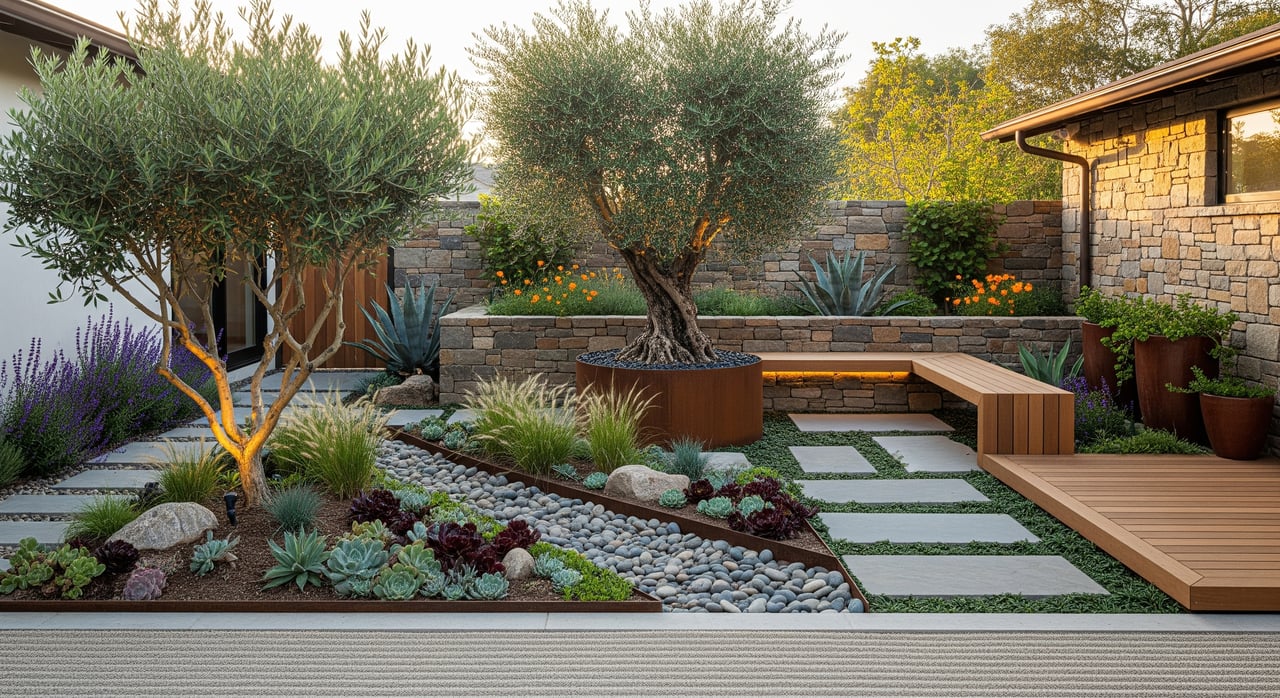
Designing Low‑Water Landscapes For Saratoga Homes
October 30, 2025
October 30, 2025
Saratoga summers are dry, and traditional lawns can feel like a money pit of water and maintenance. If you want a yard that looks stunning year-round without high water bills, a low-water landscape is a smart fit for our climate. You can save water, streamline upkeep, and still get the curated curb appeal buyers notice. Below is a clear, Saratoga-specific guide to planning, planting, and maintaining a beautiful waterwise yard, with local rebates and fire-safety tips to help you get it right the first time. Let’s dive in.
Saratoga sits in a warm-summer Mediterranean climate with wet winters and rainless summers, and it averages about 22 inches of rain a year. Most gardens thrive when you plan for winter water and minimal summer irrigation, and USDA zones 9b–10a guide plant choices. You can confirm local climate and zone details using the 95070 profile on PlantMaps.
Local agencies support conservation with rebates and tools, which makes turf replacement and irrigation upgrades more affordable. Valley Water’s programs often apply to Saratoga homeowners and are listed on the City’s rebate page. Review current eligibility and amounts on the Santa Clara rebates and conservation programs page.
Group plants by water needs so you water each zone only as much as it requires. Place very low-water plants in sunny, fast-draining spots, and keep any higher-water ornamentals together on their own line with drip. The EPA’s WaterSense guidance shows how smart scheduling and zoning cut waste, so start with the basics in your yard. See outdoor watering tips from EPA WaterSense for practical savings.
Healthy soil holds moisture longer, which lets you water less often. Before planting, amend where appropriate and match plants to existing soil. Add 2 to 4 inches of organic mulch, then keep it a few inches away from stems and trunks to prevent rot. UC ANR explains how mulch reduces evaporation and weeds in its mulch guidance.
Replace overhead spray in planting beds with drip or low-flow systems that deliver water to the root zone. If you keep any spray zones, use high-efficiency rotary nozzles and matched precipitation rates. Pair your system with a WaterSense-labeled, weather-based controller or soil-moisture sensors to avoid unnecessary cycles. These controllers can deliver meaningful savings when installed and programmed correctly, and many are rebate-eligible.
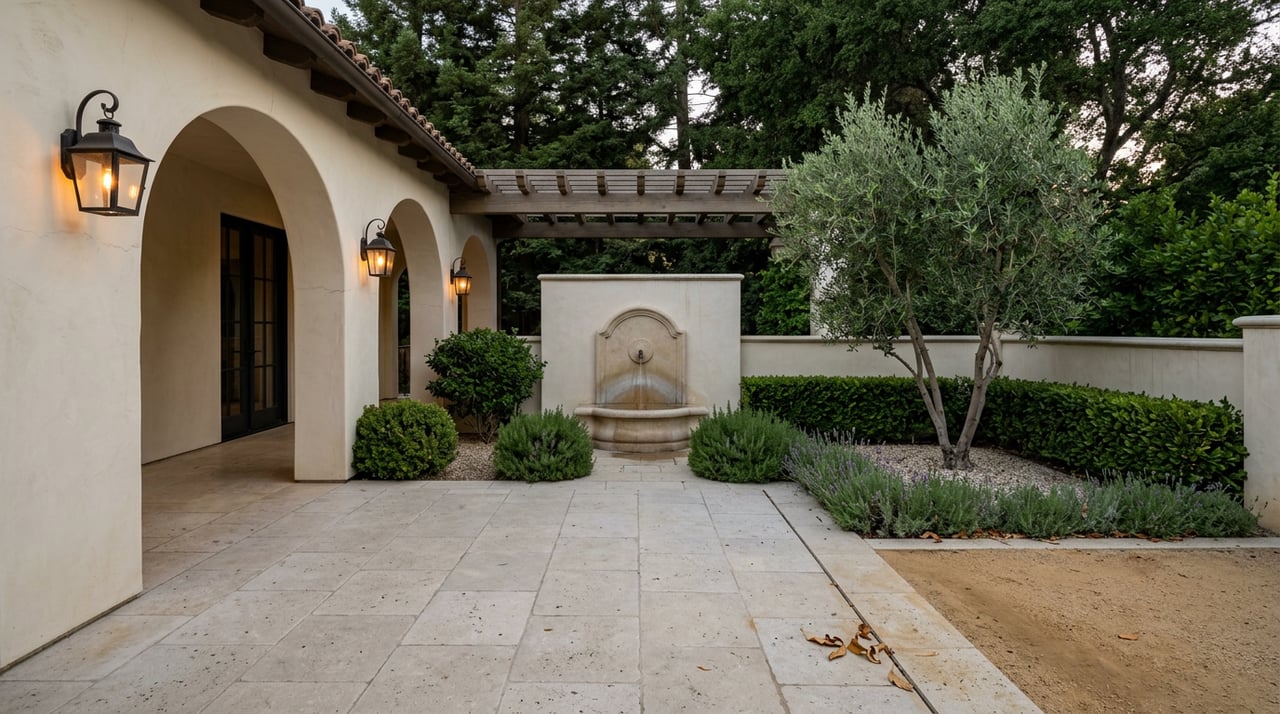
Permeable paths, gravel bands, and dry creek swales add crisp structure while letting rain soak in. Direct roof runoff into planted areas where feasible, and consider rain barrels or a cistern to irrigate during dry spells. Valley Water offers homeowner guidance and videos on rain capture and water-wise landscapes, which you can explore on their drought and conservation page.
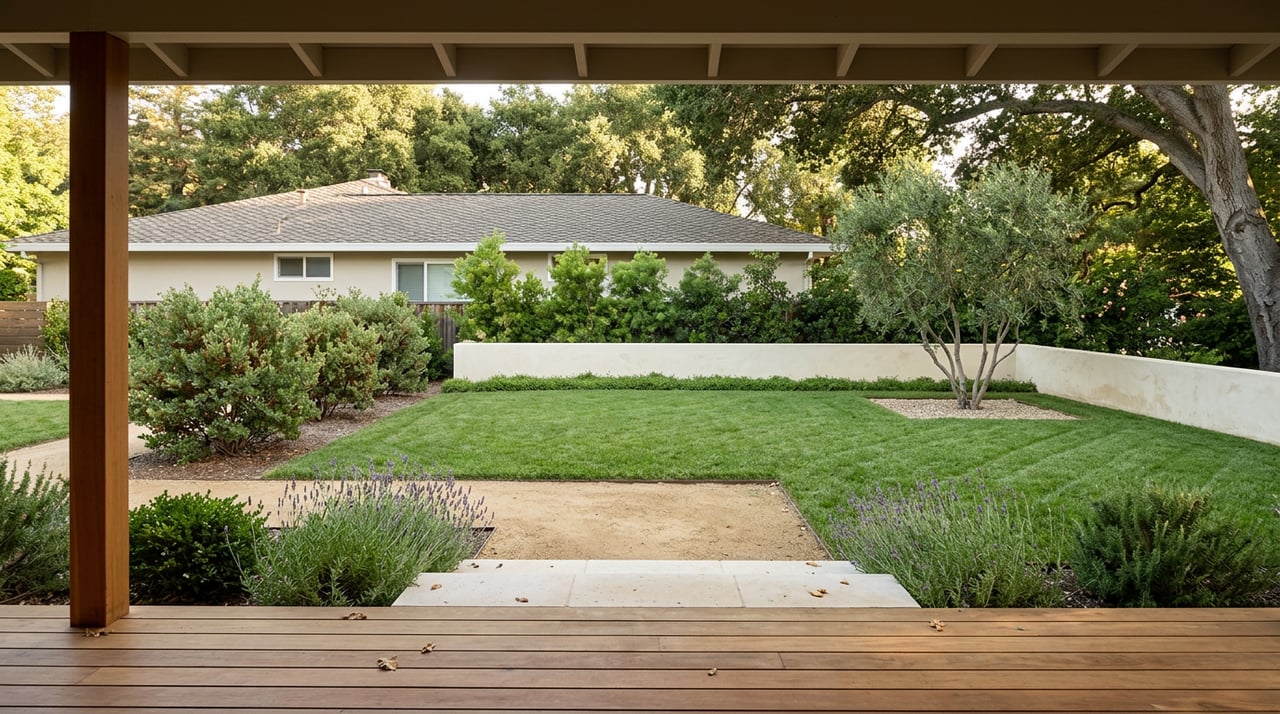
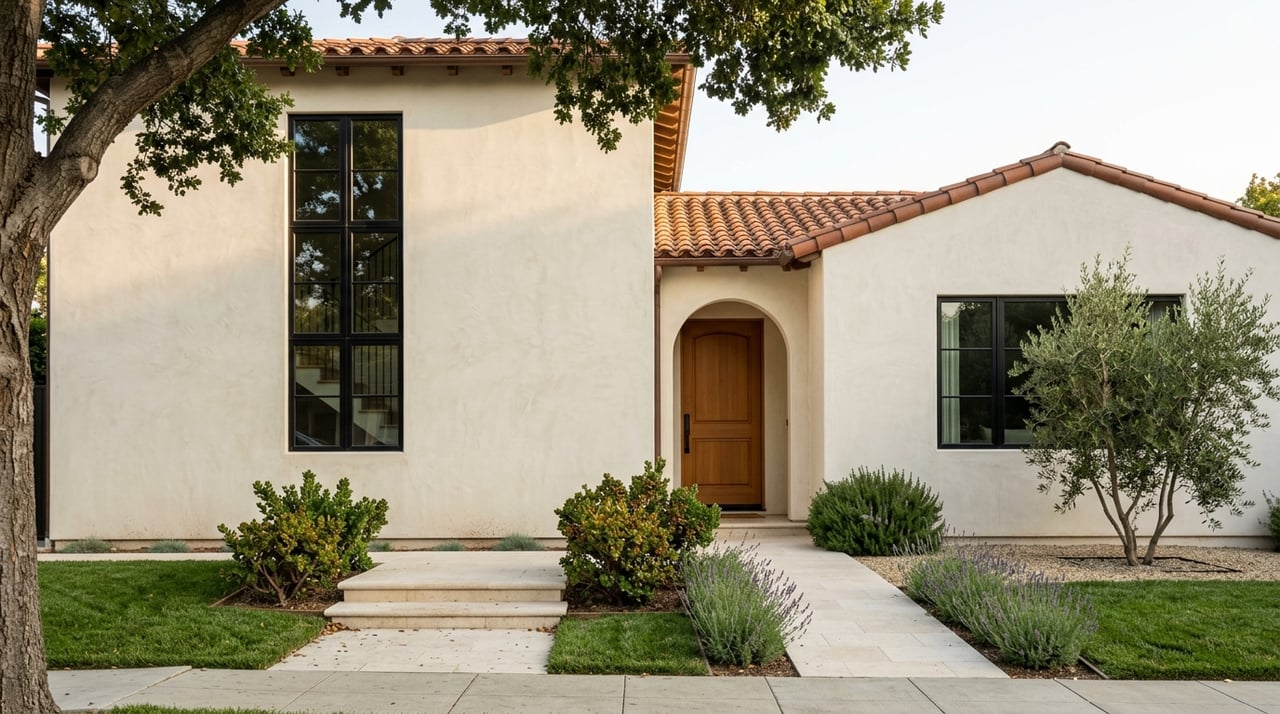
Mass 3 to 7 of the same plant for a polished look and repeat forms for rhythm. Blend textures, like grasses with low shrubs or succulents, and anchor the design with a specimen tree or a boulder. Use clean borders and simple pathways to keep the composition refined and easy to maintain.
If you live in an HOA, submit a clear plan with before photos, plant lists, and maintenance notes for faster approval. California’s AB 1572 limits potable water use on nonfunctional turf for public, commercial, and HOA common areas over the next few years, which is shaping local priorities. Review the law’s text on AB 1572 and see HOA-focused guidance on nonfunctional turf. While single-family yards are not directly restricted by AB 1572, your HOA may be updating standards.
Below are proven, low-water options that fit local conditions. Match each plant to your site’s sun, soil, and drainage, and give new plants deep, occasional water during the first 1 to 3 years.
For local plant selection help, explore the Santa Clara Valley chapter of the California Native Plant Society.
Valley Water programs often include turf conversion rebates typically in the range of 2 to 4 dollars per square foot, plus common design assistance reimbursements around 200 dollars. You generally need a written Notice to Proceed before removing lawn or installing new systems, so check rules first. See current highlights and links to program details on this rebates overview, then verify eligibility with Valley Water or your water provider via the City’s rebates page.
Many Saratoga properties sit in the Wildland Urban Interface, so pair low-water choices with defensible-space practices. Keep the first 5 feet from structures lean and noncombustible, maintain spacing between plants, and remove dead material regularly. The City and County Fire Department provide checklists, inspections, and programs you can review on the City’s Fire Prevention page.
Most drought-adapted plants need deep, regular watering during the first few growing seasons, then much less in summer once established. Use your controller’s seasonal settings and soil-moisture or weather data to avoid waste. Maintain shape with light pruning, keep mulch topped up, and do a seasonal leak check on your irrigation.
Ready to refresh your yard and boost curb appeal with a waterwise design? If you are planning to sell or want advice on smart, value-forward updates, reach out to Tom Yore & Theresa Van Zant for local guidance from top Saratoga real estate agents.
Success starts with the right partnership. At the Yore | Van Zant Real Estate Group, we deliver personalized service, strategic insight, and results that move you forward.