Saratoga Hills Vs Valley Floor Homes: Key Tradeoffs
March 12, 2026
March 12, 2026
Choosing between Saratoga’s foothills and the valley floor is less about price and more about how you want to live day to day. Maybe you’re drawn to privacy, oak‑studded lots, and trail access, or maybe walkable errands and predictable utilities matter more. In this guide, you’ll get a clear, local look at lifestyle, utilities, permitting, hazards, insurance, and resale signals so you can choose with confidence. Let’s dive in.
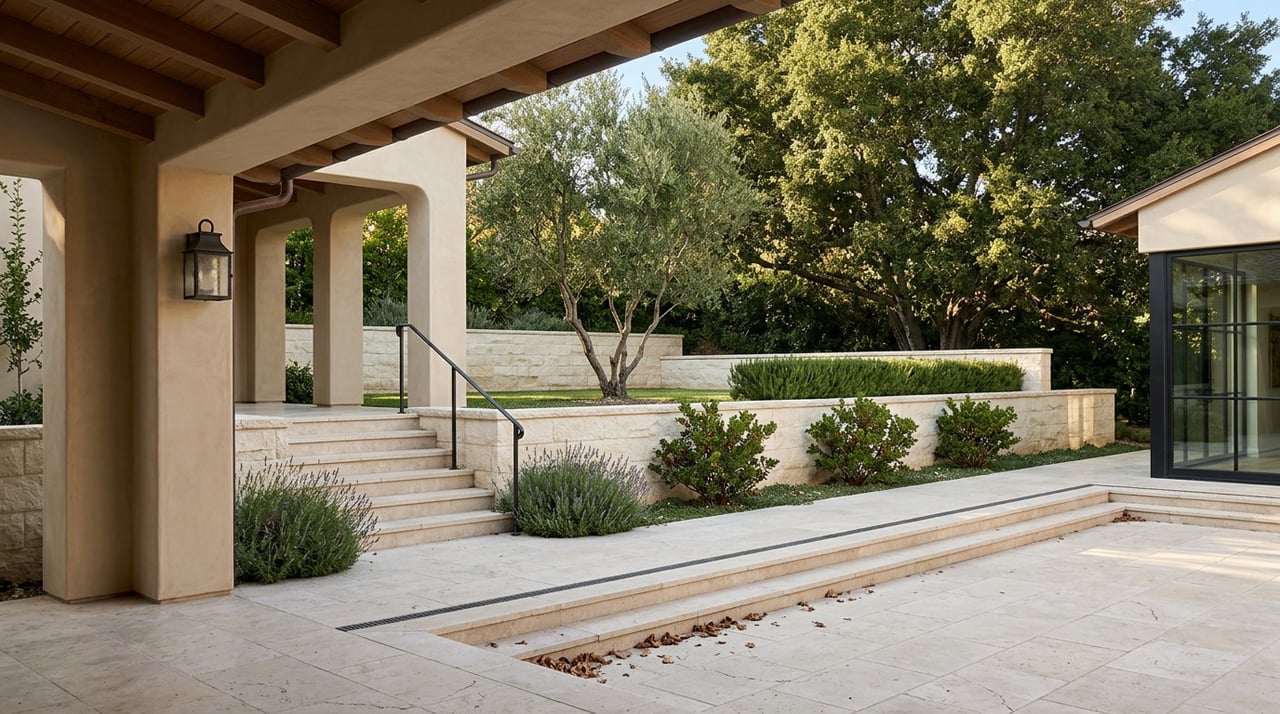
Hillside and foothill homes sit along Saratoga’s western and southwestern edges where the city meets the Santa Cruz Mountains. Think winding roads, larger estate lots, and homes set among mature trees with a rural‑foothill feel and strong privacy. You’re close to open space and trail networks that connect to Sanborn County Park and Skyline ridge; check the county’s Sanborn overview to visualize the setting and trail systems around the park here. Expect more wildlife activity and pockets with weaker cell coverage near park boundaries.
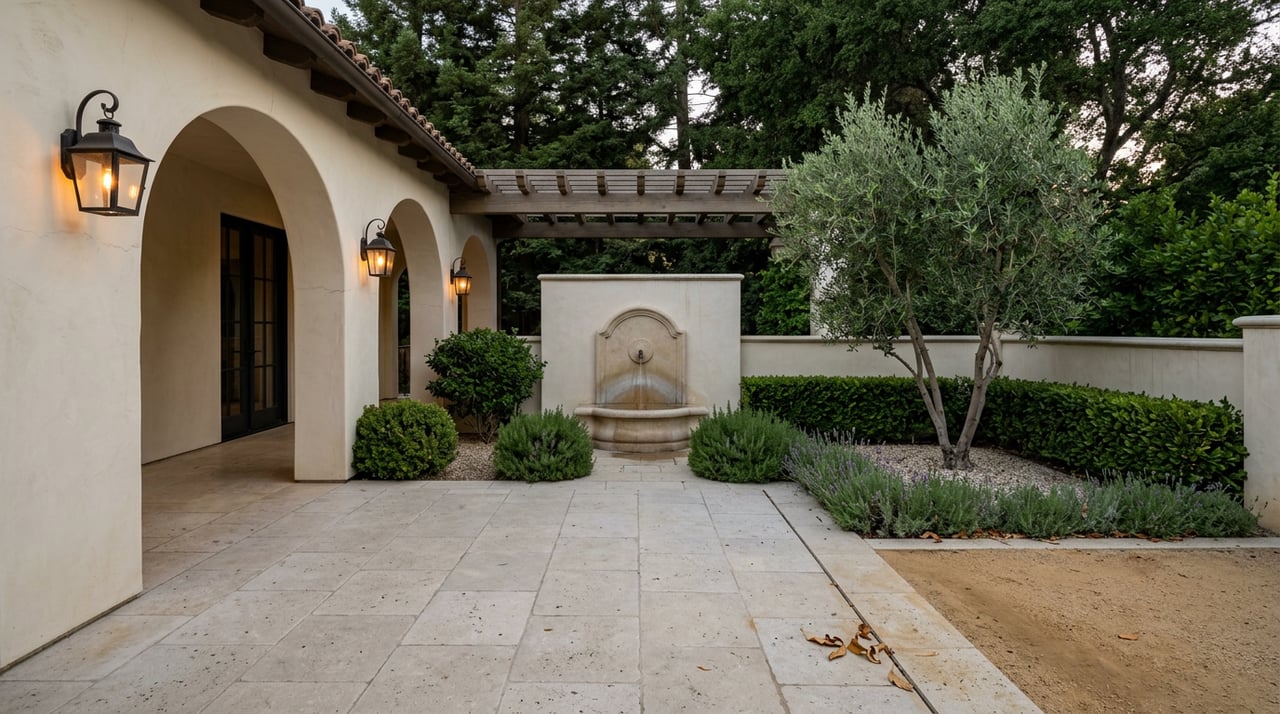
Valley‑floor neighborhoods include the downtown Village, the Golden Triangle, and nearby pockets with flatter terrain and a more traditional street grid. Lots are generally smaller than in the hills, and you’ll find a mix of historic cottages, mid‑century ranch homes, and some townhome or condo enclaves. The appeal is everyday convenience: easier walks to shops, restaurants, library, and community services, plus typically shorter drives for daily errands.
Hillside housing stock leans toward custom and estate‑scale homes that take advantage of views and seclusion. Lots often range from roughly half an acre to an acre or more in certain enclaves, and site‑specific engineering is common for additions or replacements. Many parcels reflect a vineyard or orchard legacy, which adds character and sometimes maintenance.
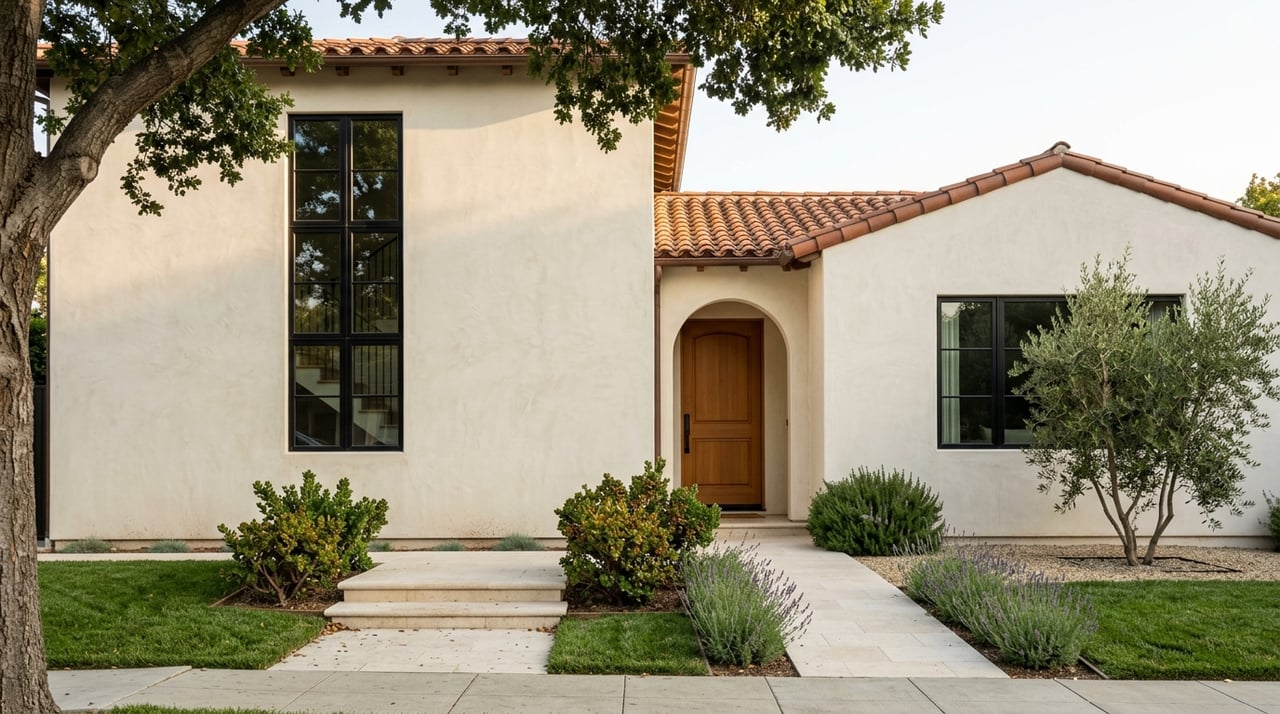
Valley‑floor housing spans ranch homes and updated family properties on quarter‑acre to roughly 0.4‑acre lots in many areas, along with some Heritage District properties near the Village. These neighborhoods often draw buyers who want short daily drives and predictable municipal services. If you are planning an addition or ADU, flatter lots and simpler access on the valley floor can make design and construction more straightforward.
From a price‑signal standpoint, Saratoga’s typical home value remains in the multi‑million range, with neighborhood‑level values varying widely by lot size, school attendance zones, views, and walkability. Estate parcels with acreage and outlooks can command premiums, while family‑oriented pockets near everyday amenities also trade strongly. The smarter approach is to evaluate neighborhood‑level comps and ZHVI snapshots, not just a single city median.
Saratoga is served by multiple sewer providers, and coverage varies by parcel. The West Valley Sanitation District covers large portions of the city and has supported septic‑to‑sewer conversions in targeted areas. Before you write an offer, confirm who serves the property and whether any connection assessments or fees apply by reviewing the district’s documentation here.
Water service varies across Saratoga and is parcel specific. In certain areas, San Jose Water Company is the provider; you can review mapped service areas in the company’s locator PDF here. Ask your agent to verify the exact provider and any service notes or restrictions for the specific address.
The city’s hillside and open‑space standards add extra steps for substantial work in the western planning area. Projects often require design review, geotechnical reports, drainage and grading plans, and may face tighter coverage limits. You can see Saratoga’s conservation and open‑space policy matrix for context here.
Hillside streets are often narrower and more winding, which you will feel during storms or evacuation periods. Daily access on the valley floor is usually simpler, with more continuous sidewalks and easier municipal maintenance. If you are considering a hillside home, verify driveway grade, vehicle turnaround, and whether the road is private or city maintained.
Much of Saratoga’s western hills fall within Very High Fire Hazard Severity Zones and the Wildland‑Urban Interface. This affects defensible‑space requirements, some permits, and often insurance availability and cost. Always confirm the parcel’s current wildfire designation using the city’s map resources here.
Across California, homeowners in very high wildfire zones have seen nonrenewals and premium increases. Some properties require a combination of the FAIR Plan and Difference‑in‑Conditions coverage when standard carriers are not available. Review the California Department of Insurance’s guidance and recent FAIR Plan updates here and get quotes or binders early in your process.
The city’s Safety Element notes landslides and slope instability as significant hazards in certain hillside areas. Hillside remodels and new construction often require geotechnical studies and may involve retaining walls and engineered drainage. You can read the Safety Element overview here.
On the valley floor, parcels near creek corridors can have localized flood considerations or riparian setback constraints. When a property is close to a creek, review FEMA mapping and regional watershed context, such as the San Tomas Aquino watershed information provided by local regulators here.
Saratoga is a low‑supply luxury market. Distinctive attributes like lot size, views, proximity to the Village, and school attendance zones tend to drive both demand and price. Hillside estates can have smaller, more specialized buyer pools, which may lengthen market time, while rare view properties often draw strong offers. Family‑oriented homes near everyday amenities have broader pools and can turn faster when well presented and priced.
If you are buying, anchor your expectations to neighborhood‑level data and recent comps that share core features with your target property. If you are selling, thoughtful presentation and targeted marketing will matter at every price point, especially for estate‑scale homes or parcels with unique site conditions.
Use this checklist before you write an offer on any Saratoga property.
Verify parcel‑level wildfire status. Pull the current City of Saratoga FHSZ and WUI map for the exact address here.
Pre‑check insurance. Ask your broker whether standard carriers will write the home and request quotes or a binder. Review state guidance on the FAIR Plan and DIC coverage options here.
Confirm sewer service. Identify the sanitation provider and any pending connection assessments or district fees using the West Valley Sanitation District documentation here.
For hillside parcels, request geotech. Ask for recent geotechnical and soils reports, grading permits, and any prior landslide or repair history. The city’s Safety Element provides context on slope hazards here.
Review access and evacuation. Confirm driveway grade and turnaround, and ask whether roads are private or city maintained. For wildfire planning context, see the Santa Clara County Fire CWPP annex for Saratoga here.
Visit at different times. Check sun exposure, commute congestion, and seasonal smoke or fog. If proximity to open space is a draw, preview the Sanborn area overview here.
Confirm school attendance maps by address. Boundaries can vary at the city’s edges. Review the city’s resource link to school attendance information here.
Check permits and overlays. Review building permits, code history, and any overlay zones like hillside or open‑space protections in the city’s policy matrix here.
Both choices are premium Saratoga living. The best fit comes down to your priorities: views and privacy with active stewardship in the hills, or daily convenience and lower operational complexity on the valley floor. If you want a calm, data‑driven process from first tour to final negotiation, connect with Tom Yore & Theresa Van Zant for a clear plan and a private look at upcoming inventory.
Success starts with the right partnership. At the Yore | Van Zant Real Estate Group, we deliver personalized service, strategic insight, and results that move you forward.