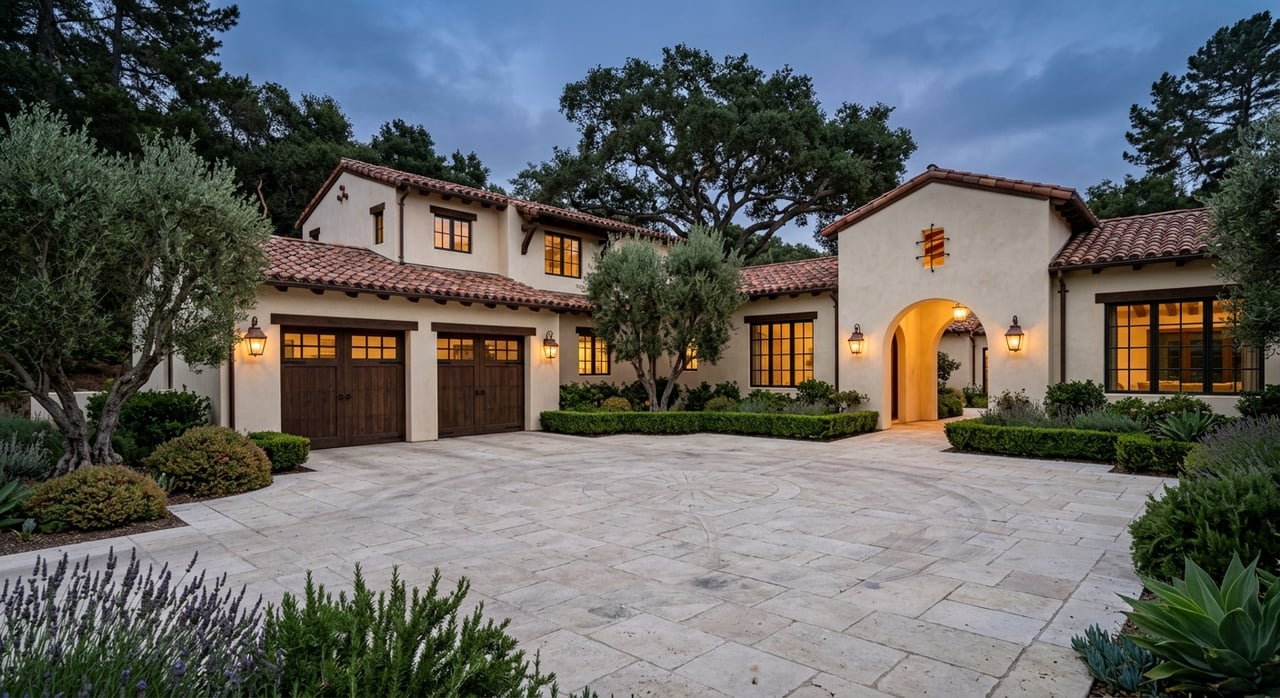
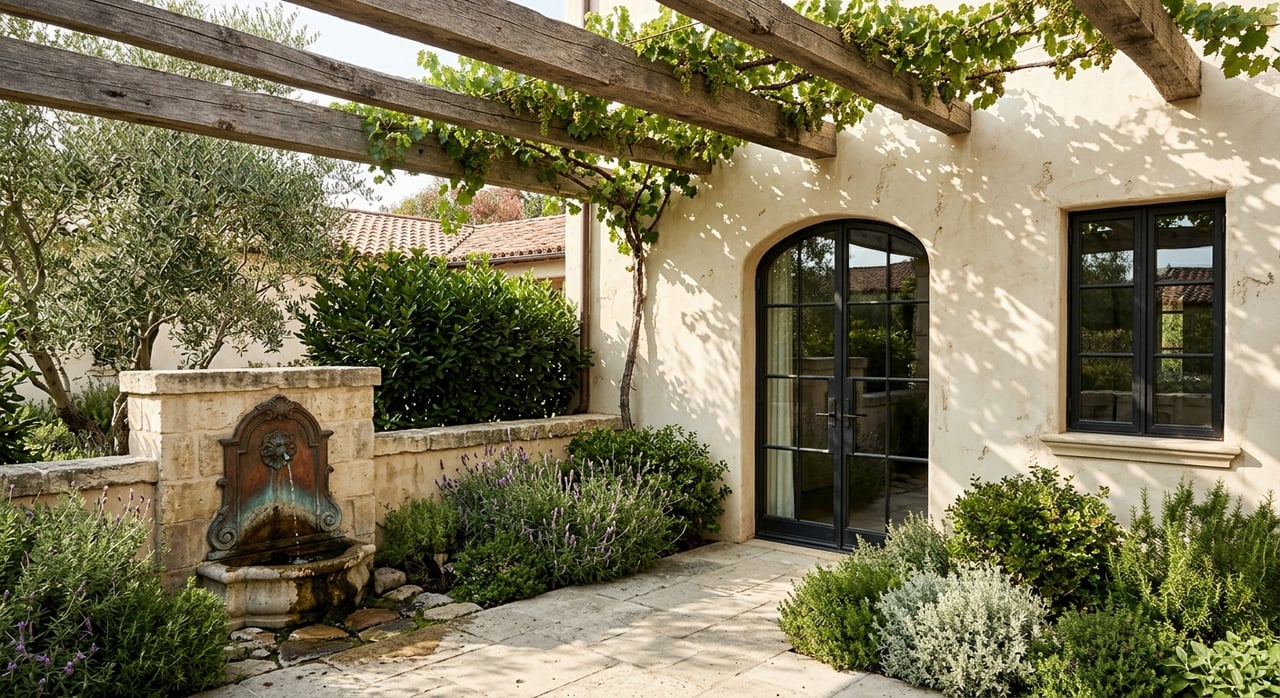
Settling a loved one’s estate is emotional and complex, and the idea of selling a high-value Saratoga home can feel overwhelming. You may be managing legal steps from out of the area, coordinating family input, and trying to protect the home’s value. This guide gives you a clear, step-by-step path tailored to Saratoga so you can move forward with confidence and care.
You will learn how to confirm selling authority, price and prepare the property, choose the right marketing approach, and navigate offers, probate steps, and closing costs. You will also see a simple timeline and immediate next steps you can take this week. Let’s dive in.
Know your selling authority
Before you price or prep the home, confirm who can legally sign and under what rules. The right pathway can speed your sale and widen your buyer pool.
Trust, non-probate, or probate
- Trust sale. If the home is owned by a trust and you are the successor trustee with selling power, sales often proceed like a standard escrow once you provide the required trust documents. Many trust sales close on a typical timeline. For a quick overview, review how California trust and probate pathways differ in practice in this probate summary of state procedures and powers. Learn more about probate steps and IAEA authority.
- Non-probate transfers. If title passed by a recorded transfer-on-death deed or joint tenancy, the new owner may be able to sell without probate. Verify recorded instruments early with your title company.
- Probate estate. If the decedent owned the property and no non-probate transfer applies, the estate usually opens probate and the personal representative will need court-issued Letters. If the court grants full Independent Administration of Estates Act (IAEA) powers, you can often sell without court confirmation, subject to notice rules. See California probate and IAEA basics.
Confirm documents before marketing
- Identify the controlling instrument: trust, will, transfer-on-death deed, joint tenancy, or other title vesting.
- If probate is required, secure Letters Testamentary or Letters of Administration and confirm whether IAEA authority is full or limited. This California probate overview explains the two tracks.
- If a sale needs court confirmation, know the pricing floor. California requires a private sale offered for confirmation to be at least 90 percent of a recent appraised value. Review Probate Code 10309.
- Understand disclosure exemptions. Trustees and personal representatives are often exempt from the full Transfer Disclosure Statement, but you must still disclose known material facts. See California Civil Code 1102.6e.
Pricing and appraisal in Saratoga
Market snapshot and buyer profile
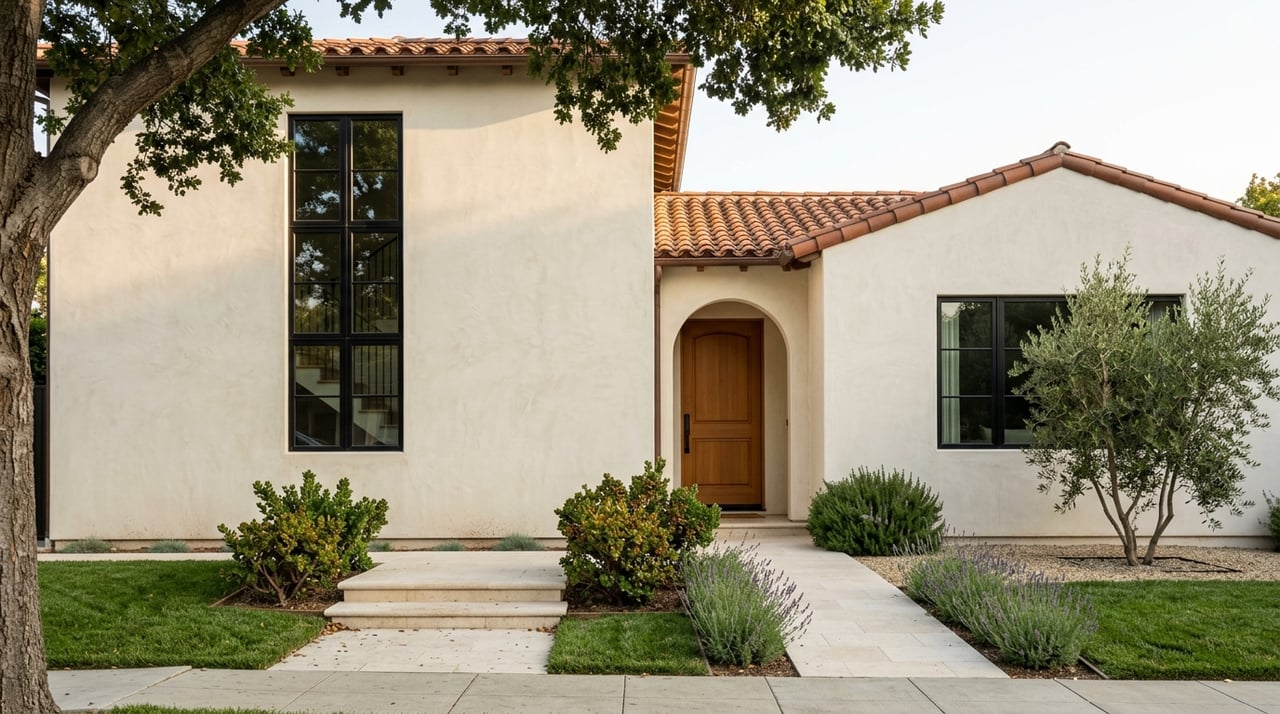
Saratoga is a luxury, low-inventory market. Recent trackers show typical single-family values in the multi-million-dollar range, with a roughly 4.0 million dollar median in early 2026. Presentation and pricing strategy play an outsized role because buyers are affluent and selective. See Saratoga’s current market data.
Appraisal and the 90 percent rule
If the sale will be confirmed in court, the appraisal anchors two critical items: the minimum confirmation price and certain statutory fee calculations. Work with a local appraiser who understands Saratoga’s luxury segment and, if in probate, coordinate with the probate referee process. Remember, court-confirmed private sales must be at least 90 percent of the court-accepted appraisal. Review the statute.
Prepare the property with care
A thoughtful plan protects value and reduces stress for families. Focus on safety, presentation, and documentation.
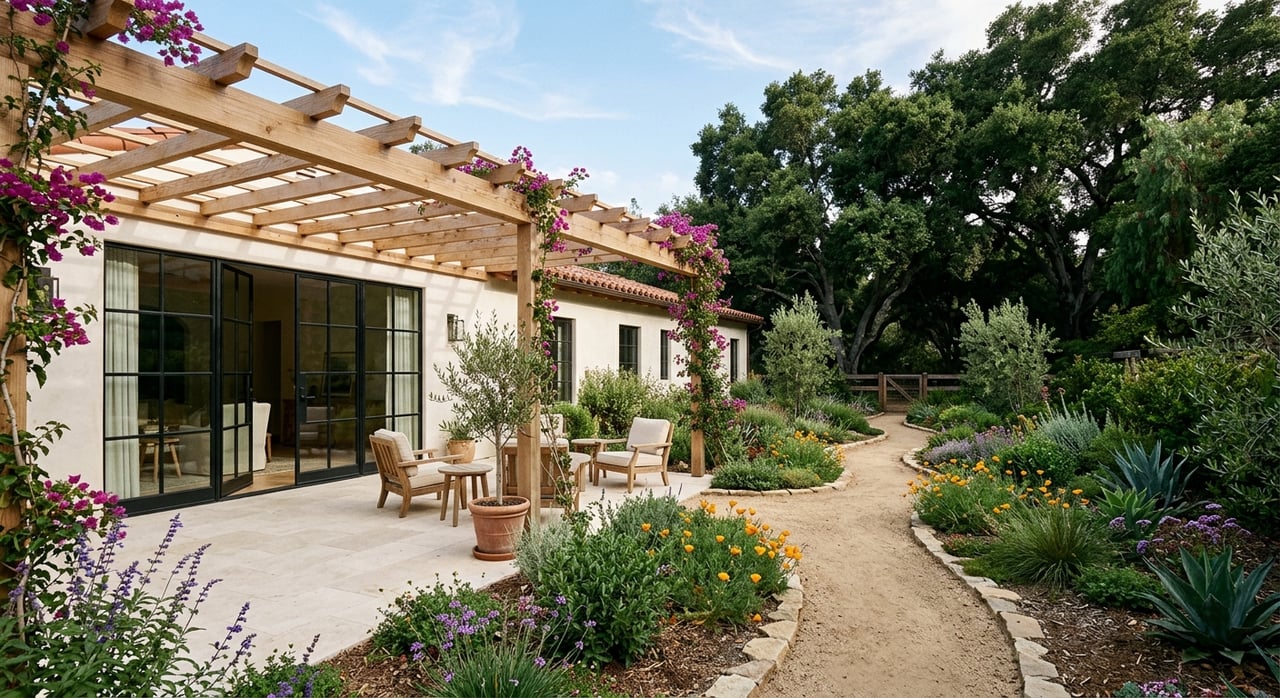
- Secure the home. Change locks, maintain insurance, and set up regular check-ins. Keep landscaping tidy to preserve curb appeal.
- Inventory contents. Photograph rooms and document items. Segregate sentimental and high-value pieces. For art, jewelry, or antiques, consider specialist appraisals to support fair disposition.
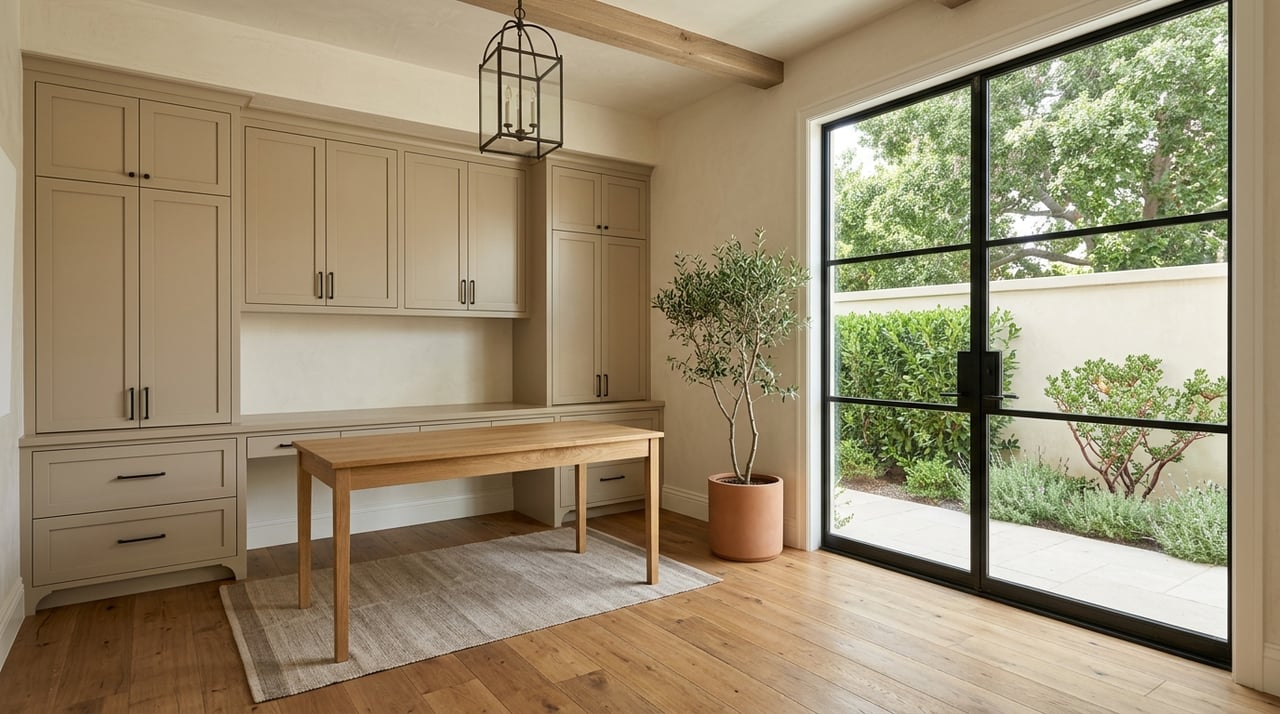
- Repair triage. Prioritize safety and systems, then target high-impact cosmetic updates that show well in photos. Many luxury buyers value move-in readiness.
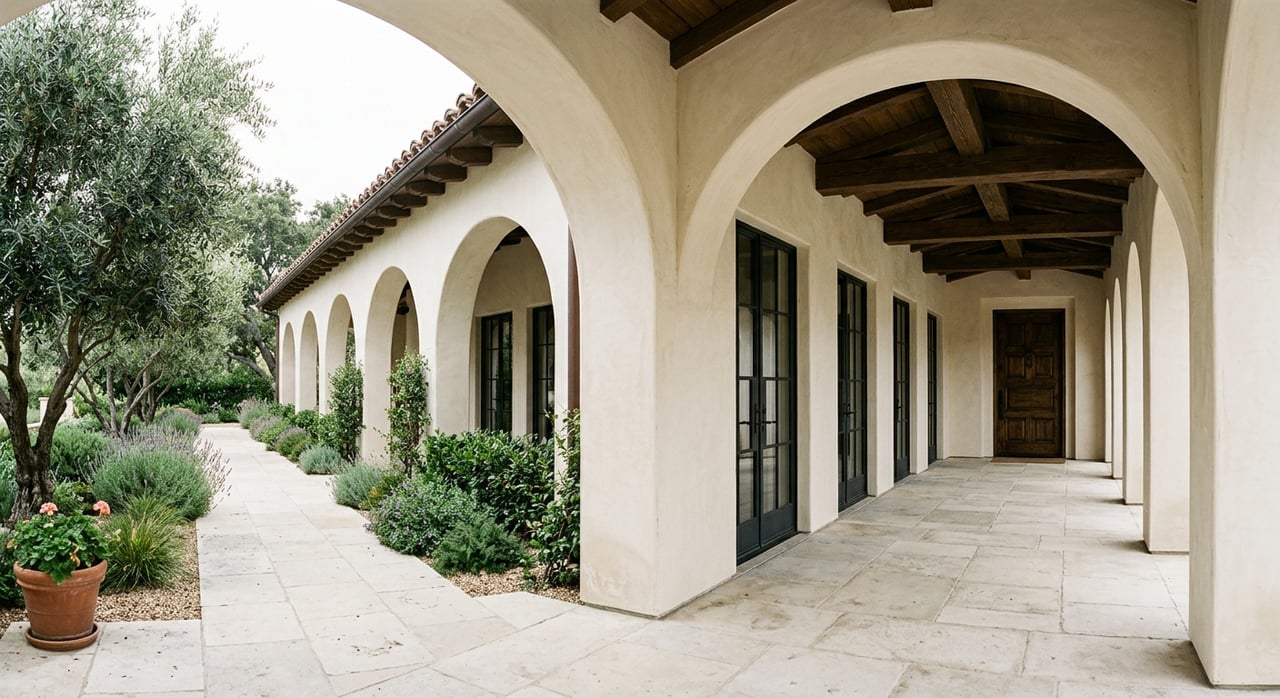
- Stage for Saratoga buyers. Professional staging, architectural photography, floor plans, and video tours matter in this price tier. Virtual tours help out-of-area stakeholders and buyers preview efficiently. See best practices for luxury property marketing.
Marketing and showings for affluent buyers
Privacy and precision attract the right buyers and shorten time to close, especially when trustees or heirs are remote.
- Discreet exposure. Consider broker-to-broker outreach, targeted broker opens, and invitation-only showings. In some cases, a limited off-MLS period can pre-qualify interest before a full launch, subject to brokerage rules and your preferences. Explore approaches used in luxury marketing.
- Secure, scheduled tours. Offer a polished virtual package first, then limit in-person tours to pre-qualified buyers. Supervised showings protect valuables and reduce disruptions.
- Coordinate decision-making. Set a clear protocol for who reviews offers, timing for counters, and how signatures will be handled. For notarization or recording questions, confirm Santa Clara County requirements early with your title and escrow team. Consult county recorder resources.
Offers, escrow, and court steps
Two common offer paths
- Trustee sale or probate with full IAEA. With proper authority and notices, your escrow often proceeds like a standard transaction once offers are accepted and trust or estate documents are provided. Many close in 30 to 60 days depending on financing. Review the probate and IAEA framework.
- Probate without full IAEA. Expect a court confirmation hearing and potential overbids. The accepted offer must be at least 90 percent of the appraised value, and bidders often bring a cashier’s check deposit to the hearing. Timelines extend due to scheduling and statutory steps. See Probate Code 10309.
Disclosures and negotiations
If you are exempt from the Transfer Disclosure Statement, you still need to share known material facts. Buyers may request inspections or use cash to streamline court-related timing. Be transparent in your listing notes about whether the sale is by trustee with authority or subject to court confirmation.
Taxes, fees, and closing costs to model
- Santa Clara County documentary transfer tax. The county rate is 0.55 dollars per 500 dollars of consideration, which equals 1.10 dollars per 1,000 dollars. Saratoga typically does not add a city transfer tax. Example: a 4,000,000 dollar sale creates about 4,400 dollars in county transfer tax. Confirm amounts with the recorder or escrow before closing. See recorder resources.
- Property tax reassessment and Proposition 19. A sale to a new owner generally triggers reassessment. Certain transfers between family members have limited exclusions under Prop 19. If an heir plans to retain the home, consult the assessor early. Review Prop 19 guidance.
- Step-up in basis. Property received from a decedent usually receives a step-up or step-down in basis to fair market value at the date of death or the alternate valuation date when elected. This can significantly reduce capital gains when selling. Work with your CPA and retain a qualified appraisal for the date of death. See IRS Publication 559 summary.
- Probate statutory fees. California sets tiered statutory fees for the personal representative and the estate’s attorney based on the gross probate estate. On a 4,000,000 dollar estate, estimated statutory compensation is about 53,000 dollars to the attorney and the same to the personal representative, or roughly 106,000 dollars combined, before any extraordinary fees. See a worked example.
Simple timeline to keep you on track
Every estate is different, but this baseline helps you plan.
- Weeks 0 to 2. Confirm selling authority, secure the property, and assemble your core team.
- Weeks 2 to 6. Order appraisals, inventory contents, complete cleaning and focused repairs, and prepare staging and media.
- Weeks 4 to 10. Launch marketing, handle showings, review offers, and open escrow. Trust sales or probate with full IAEA often close like standard transactions.
- Weeks 8 to 20 and beyond. If court confirmation is required, allow extra time for notice, hearings, and potential overbids. Overall probate administration commonly runs 9 to 18 months depending on complexity. See a California probate timeline overview.
Working with a trusted local team
High-value Saratoga homes reward precise pricing, impeccable presentation, and discreet yet far-reaching marketing. You want a team that can coordinate staging, professional photography, and targeted exposure while keeping communication simple for remote stakeholders. You also need an advisor who understands probate and trust sale nuances and can build a clean, market-ready file for buyers and escrow.
With a boutique-luxury approach and deep South Bay roots, you receive white-glove listing support, private and pre-market outreach when appropriate, and skilled negotiation designed to deliver premium value while protecting your timeline and privacy.
Your next steps this week
- Pull the recorded title and check for a trust, transfer-on-death deed, or joint tenancy.
- Call your probate or trust attorney to confirm whether probate is required and whether IAEA authority is in place.
- Order a comparative market analysis and line up a qualified appraiser to document value. If probate is likely, coordinate appraisal format with counsel.
- Secure the property, update insurance as needed, and arrange routine maintenance.
- Identify high-value contents and plan for appraisals, consignment, or an estate sale company.
- Ask your title and escrow team for a preliminary estimate of documentary transfer tax and recording costs so you can budget with confidence.
When you are ready for a confidential conversation about strategy, pricing, or timing, reach out to Tom Yore & Theresa Van Zant for a free market analysis and a tailored plan for your Saratoga estate home.
FAQs
What makes selling an estate home in Saratoga different?
- Saratoga’s luxury market has multi-million-dollar values and selective buyers, so pricing, presentation, and targeted marketing materially affect both time on market and final price. Review current market data.
How do I know if I need court confirmation to sell?
- If probate is required and you do not have full IAEA authority, your sale likely needs court confirmation and is subject to overbid rules and the 90 percent appraisal floor. See California’s probate overview.
What is the 90 percent rule in a probate sale?
- For court-confirmed private sales, California requires the sale price to be at least 90 percent of a recent court-accepted appraisal before confirmation. Read Probate Code 10309.
Are estate representatives exempt from the Transfer Disclosure Statement?
- Trustees and personal representatives are often exempt from the full TDS, but they still must disclose known material facts to avoid misrepresentation. See Civil Code 1102.6e.
How is the Santa Clara County transfer tax calculated?
- The county rate is 0.55 dollars per 500 dollars of consideration, which equals 1.10 dollars per 1,000 dollars, typically without a separate Saratoga city tax. Verify with the county recorder.
How does a step-up in basis help heirs when selling?
- A step-up in basis adjusts the property’s tax basis to fair market value at the date of death, which can reduce capital gains when the home is sold. See IRS Publication 559 summary.