Saratoga Homebuying Basics
November 21, 2025
November 21, 2025
Thinking about buying a home in Saratoga? You are not alone. This South Bay community offers quiet streets, local culture, and access to major job centers, which keeps demand high and inventory tight. If you want to compete with confidence, you need a clear plan for financing, inspections, disclosures, and offer strategy. This guide walks you through what to expect in Saratoga and how to prepare for a smooth, informed purchase. Let’s dive in.
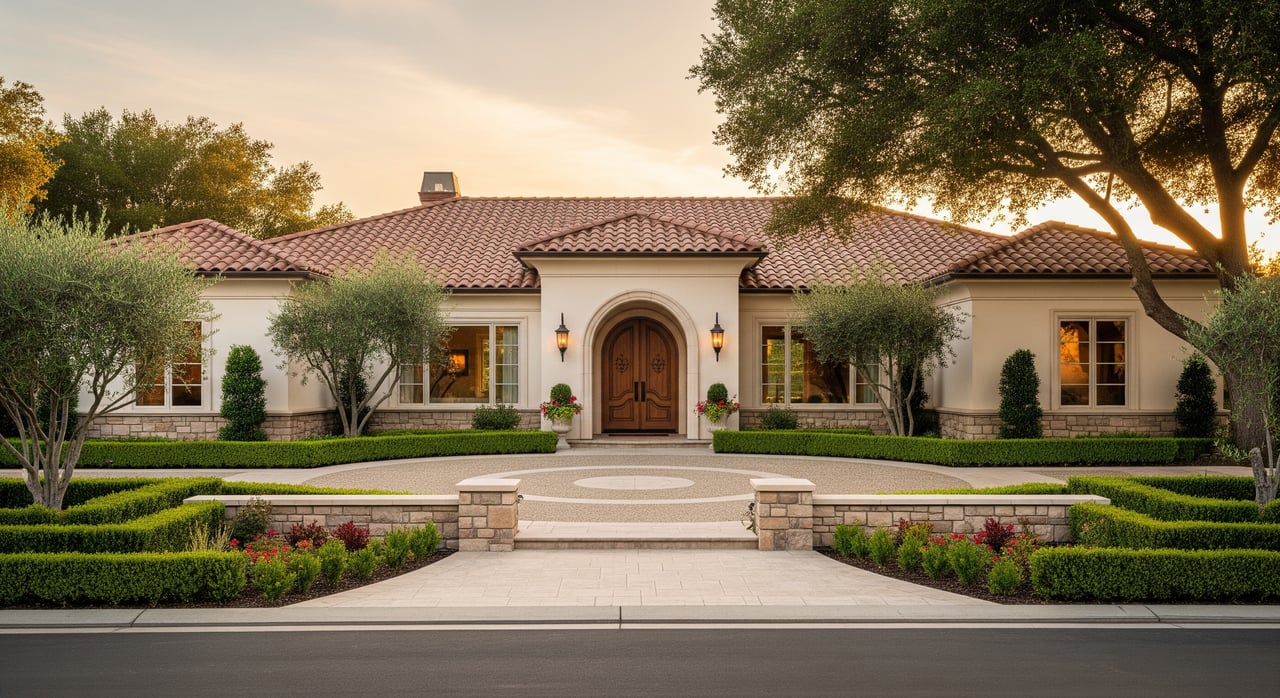
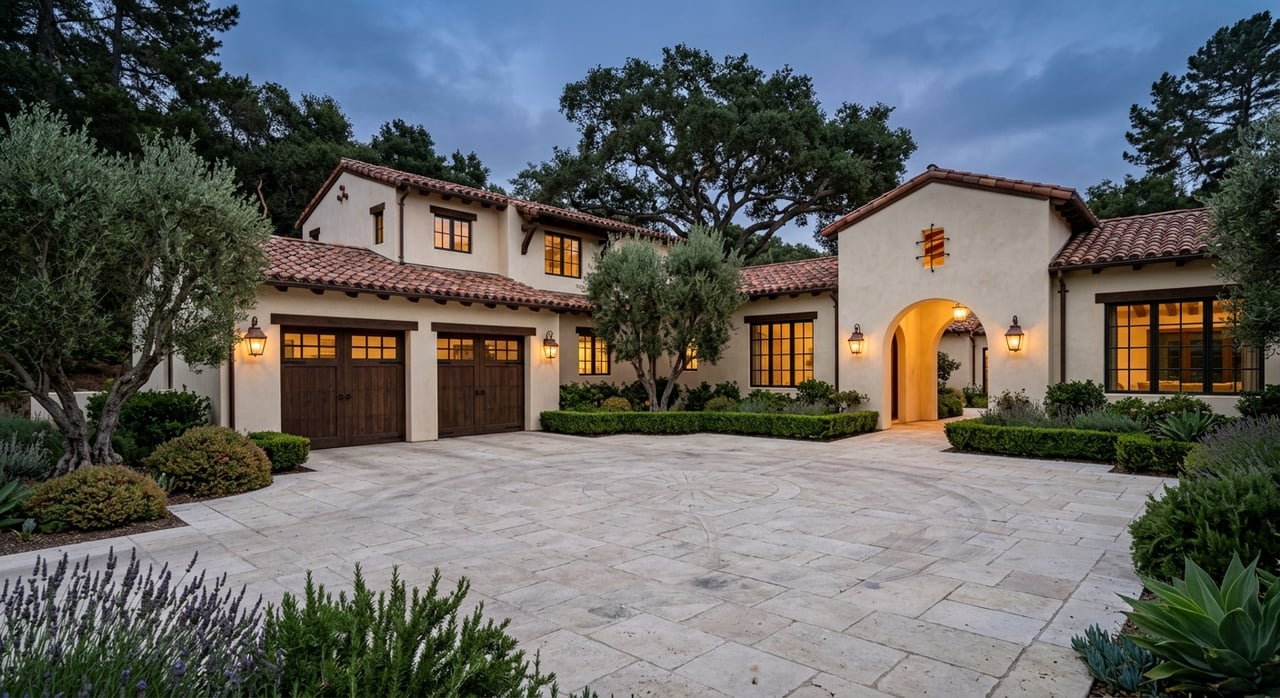
Saratoga is an affluent, mostly residential city with a large share of high-value single-family homes. Prices are typically high and supply is limited, so desirable listings draw strong interest. You will see a mix of older ranch and mid-century homes, renovated properties, and a smaller number of luxury estates on larger lots in the foothills. Move-in-ready homes and homes in sought-after attendance zones often attract multiple offers.
Many buyers are tech and knowledge-economy professionals who value schools, lifestyle amenities, and a manageable commute to Silicon Valley job centers. Because prices are elevated, jumbo financing and larger down payments are common. To track current numbers like median price and days on market, plan to review data from your agent’s MLS access or county records.
Homes near Saratoga Village and the valley floors offer more compact lots and convenient access to shops and restaurants. Streets feel residential and calm, and you can often walk to local services. These locations are popular with buyers who want a village lifestyle with easy access to CA-85 and I-280.
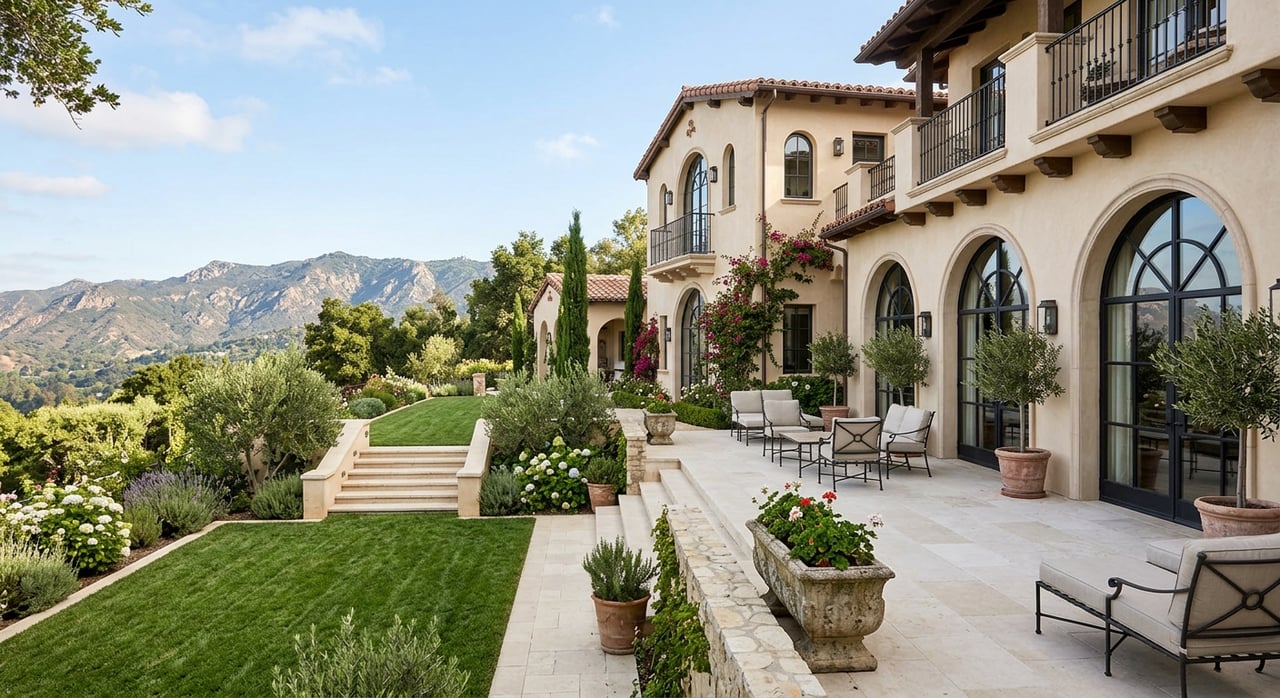
Hillside neighborhoods offer privacy, larger lots, and scenic settings. Driveways and roads can be steeper, and some properties may require geotechnical review for slope stability. Wildfire risk is higher in certain foothill areas, so you should understand defensible space and local requirements before you buy.
Saratoga also includes smaller pockets of newer construction and subdivisions. Some of these areas have homeowners associations that handle shared amenities or maintenance. Much of the city, however, consists of individual parcels without active HOAs.
Public schools in and around Saratoga are well regarded, and many buyers consider school attendance zones when choosing a home. Boundaries can shift, and performance data changes over time. Always verify current attendance and program details directly with the relevant school districts and the California Department of Education.
Most Saratoga residents commute by car using CA-85, I-280, and State Route 9. Public transit is more limited than in denser cities, so plan your commute and parking options in advance. Many buyers check proximity to major employers and access to Caltrain stations in nearby cities.
Saratoga Village offers restaurants, boutiques, and local services with a small-town feel. Outdoor and cultural highlights include Hakone Gardens, Mountain Winery, Montalvo Arts Center, and nearby parks and trails in the Santa Cruz Mountains. The lifestyle centers on local culture, outdoor recreation, and community events.
Given Saratoga’s price points, many purchases require jumbo mortgages or significant down payments that exceed conforming loan limits. Speak with a reputable lender early to confirm what you qualify for and how your rate and terms may differ for a jumbo loan. Early clarity lets you write stronger, faster offers.
A full pre-approval is essential in a competitive market. Pre-qualification is not enough to impress sellers or their agents. Prepare proof-of-funds statements for your down payment and closing costs, and be ready to share them with your offer.
Plan for these common buyer costs:
Escrows in California commonly run 30 to 45 days. To stand out, some buyers offer shorter timelines if their lender and inspections are ready to move. With low inventory, attractive listings can sell quickly, so have your financing and due diligence plan locked in before you tour.
California law requires sellers to deliver a Transfer Disclosure Statement that outlines the property’s condition. You will also receive a Natural Hazard Disclosure report that flags if the home is in a mapped zone for flood, earthquake fault, or very high fire hazard severity. For homes built before 1978, a lead-based paint disclosure is required. If there is an HOA, you will receive governing documents and related disclosures.
Foothill properties may lie within Cal Fire very high fire hazard severity zones, which can affect insurance, compliance, and maintenance. Hillside lots bring landslide and erosion considerations, so a geotechnical review may be prudent. Earthquake risk is statewide, and older structures sometimes benefit from seismic upgrades. Some Bay Area cities require sewer lateral compliance at sale, so verify Saratoga or county requirements through the city, your title company, or public works. Review the property’s tax bill for special assessments or community facility district taxes that add to annual carrying costs.
A general home inspection helps you evaluate structure, roof, foundation, drainage, and major systems. Pest inspections are common to check for termites and wood-destroying organisms. Many buyers order a sewer scope for older homes, especially where clay pipes or roots are common. Depending on the property, you may also schedule roof, HVAC, electrical, plumbing, pool, septic, or geotechnical inspections.
California purchases close through escrow with title companies that issue title insurance. Review the preliminary title report early to spot easements, covenants, or liens that affect use or financing. Typical contingencies include financing, appraisal, and inspections. In multiple-offer scenarios, some buyers adjust or waive contingencies to strengthen terms, but doing so raises risk and should be considered with care.
Competitive Saratoga offers usually combine a solid price, full pre-approval or cash, and clear, efficient timelines. Earnest money that signals commitment helps your credibility. Flexibility on closing date or occupancy can give you an edge, as long as the terms fit your goals and lender timelines.
Contingencies protect you but can make offers less competitive. If you adjust inspection or appraisal terms, understand the risks and budget for surprises. Consider home warranty coverage or contract language that allocates certain repairs between buyer and seller to manage risk without overreaching.
In high-demand segments and luxury price points, pocket and off-market listings can occur. A connected local team can surface discreet opportunities that never hit the open portals. Ask about pre-market previews and private showings in your target neighborhoods.
Buying in Saratoga calls for preparation, speed, and local insight. You want a clear view of risk, a strong financing position, and a negotiation plan that fits the home and the market. Yore & Van Zant pairs deep Saratoga expertise with a boutique, high-touch approach backed by national-brokerage systems. You get strategic guidance on pricing, terms, and timing, plus access to private and pre-market opportunities when discretion matters.
If you are exploring Saratoga now or planning ahead, we would love to help you design a smart path to a successful purchase. Connect with a top Saratoga real estate agent to discuss your goals, review your budget and timing, and map an offer strategy that fits today’s market. Get a Free Market Analysis to start with clarity and confidence.




Success starts with the right partnership. At the Yore | Van Zant Real Estate Group, we deliver personalized service, strategic insight, and results that move you forward.