How Lot And View Impact Saratoga Home Values
June 18, 2026
June 18, 2026
Wondering why two Saratoga homes with similar square footage can have very different prices? In this market, the answer often starts outside the front door. If you are buying or selling in Saratoga, understanding how lot usability, views, trees, and privacy affect value can help you read pricing more clearly and make smarter decisions. Let’s dive in.
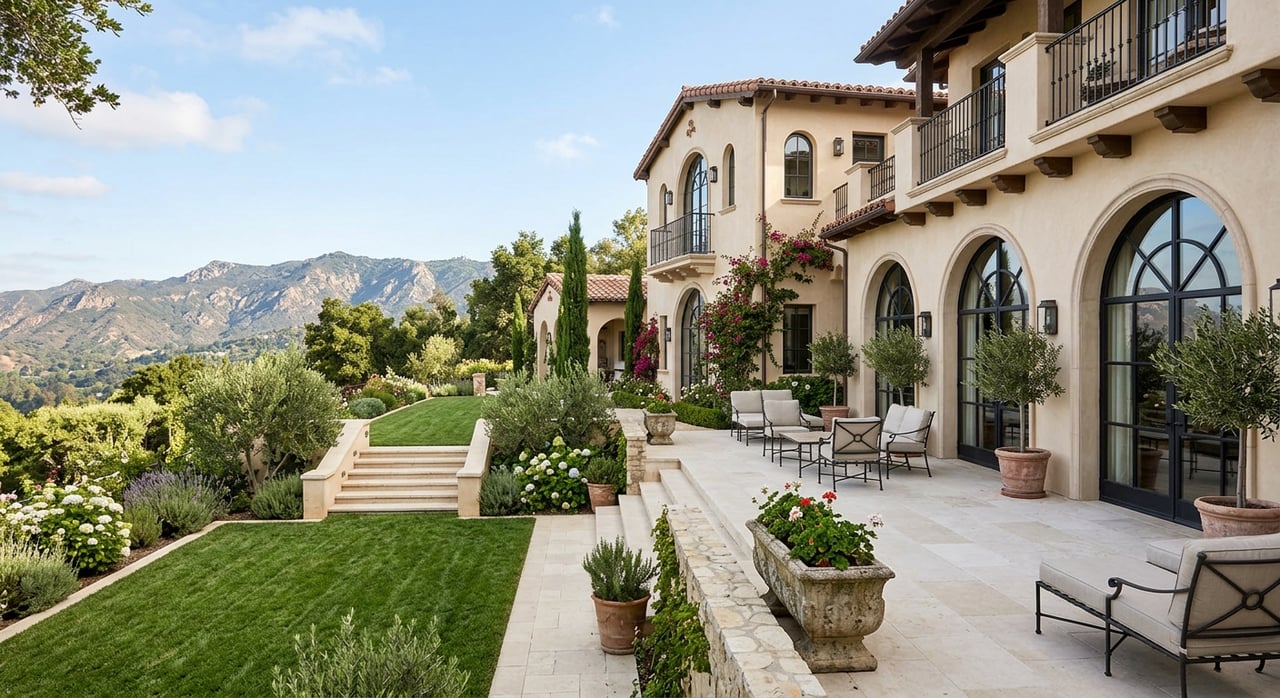
Saratoga’s setting makes the lot itself a major part of a home’s value. The city sits along the western edge of Santa Clara County in the foothills of the Santa Cruz Mountains, and its residential character is closely tied to its landscape, mature trees, and rural feel.
That matters because buyers here are often not just evaluating the house. They are also evaluating the outdoor experience, the privacy, the topography, and how the property connects to its natural surroundings.
A larger lot can support a higher home value, but raw square footage does not tell the whole story. Research shows that buyers do value larger lots, yet the premium is not always linear, and extra land can become less valuable when it does not add function.
In Saratoga, the more important question is often how much of the lot is actually usable. Two parcels may have the same recorded lot size, but one may offer a flat backyard, easy access, and room for outdoor living, while the other may be limited by slope, easements, or tree protections.
A usable lot tends to support the way people actually want to live. That can include space for entertaining, gardening, a pool, play areas, or future improvements.
Features that often improve usability include:
In practical terms, a smaller but functional parcel can outperform a larger one that is difficult to use. That is especially true in Saratoga, where site constraints can significantly affect what an owner can build or change.
Saratoga’s development standards make lot analysis more nuanced than many buyers and sellers expect. The city notes that easements can reduce net site area, and average slope above certain thresholds can trigger survey review or reduce the net site area used for floor-area calculations.
Protected trees can also require arborist review, and additional ridgeline, geotechnical, wildfire interface, and fire-prevention constraints may affect improvements. This means a lot’s recorded size may not reflect its full real-world utility.
This is one of the biggest reasons pricing can vary even among homes that seem comparable at first glance. If one property has more buildable area, fewer constraints, and better yard function, the market may value it more strongly.
On the other hand, a larger parcel may not earn as much of a premium if a meaningful portion is steep, encumbered, or difficult to improve. In Saratoga, buyers often pay for function and flexibility, not just acreage.
Views are a recognized housing amenity, but not all views contribute equally to price. Research shows that scenic visibility can add value, yet the size of the premium depends on factors like quality, range, durability, and how broadly the view is experienced from within the home.
In Saratoga, that distinction matters. A wide valley or foothill outlook visible from main living spaces is generally more compelling than a small glimpse from a secondary room or a view that is already partially blocked.
The market usually responds most strongly when a view feels both meaningful and lasting. Buyers tend to notice not just whether a view exists, but how it enhances day-to-day living.
A stronger view premium may be supported by:
In other words, the mere presence of a view is not enough. The value often comes from how visible, enjoyable, and permanent that view feels.
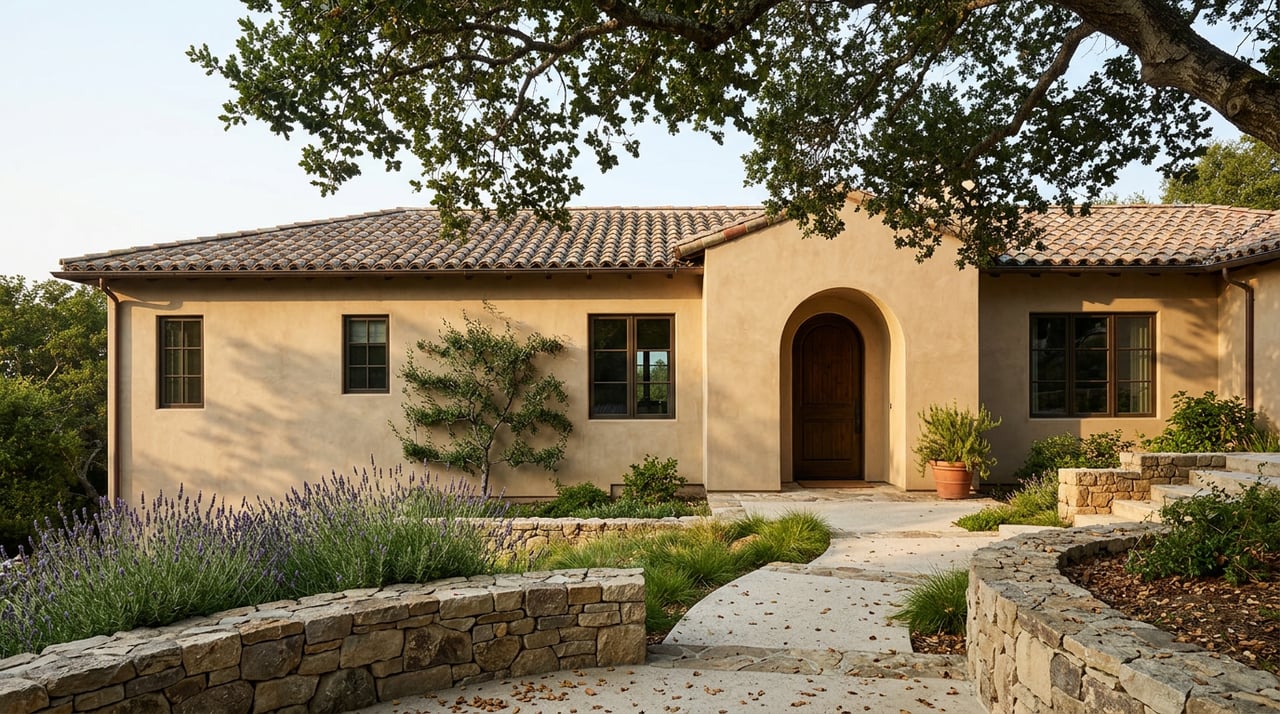
Mature trees are often part of what makes Saratoga properties so appealing. Tree cover can contribute to privacy, shade, visual softness, and the scenic character that many buyers associate with the area.
Research also suggests that tree cover is often reflected in home values, though the effect depends on context. Trees can be especially helpful when they support privacy and landscape appeal without creating major maintenance or design limitations.
Trees can improve the feel of a property in ways buyers notice right away. They may create a sense of seclusion, buffer sound, soften views of nearby structures, and make outdoor areas more comfortable.
On larger lots, mature canopy can be especially effective because it frames the setting without overwhelming the usable yard. In a market like Saratoga, that balance can matter quite a bit.
Trees do not always help value in a simple way. In Saratoga, protected trees generally require permits for removal or major pruning, and work near protected root zones or driplines may require arborist review.
The city’s ordinance also reflects concerns around wildfire risk and insurance, while still requiring permits in many cases. For buyers and sellers, that means mature landscaping can be both an amenity and a constraint.
Possible friction points include:
Privacy is not always listed as a headline feature, but it often plays a powerful role in buyer perception. A lot that feels tucked away, shielded by landscaping, or buffered from direct neighboring views may create a more premium experience.
In Saratoga, privacy often overlaps with other site features such as trees, topography, and orientation. That is one reason a home can feel much more valuable than another property with similar square footage and finishes.
If you are shopping in Saratoga, it helps to look beyond the house itself. A beautiful home on a constrained lot may not offer the same long-term enjoyment or flexibility as a slightly smaller home with a stronger site.
As you compare properties, consider these questions:
These questions can help you judge whether the asking price reflects true site quality rather than just headline lot size.
If you are selling, one of the biggest mistakes is assuming buyers will pay based on gross lot size alone. In Saratoga, pricing is often more accurate when it reflects the lot’s real function, privacy, outlook, and constraints.
That means a smaller parcel may deserve strong pricing if it offers a flatter yard, better sunlight, and a durable view. It also means a larger lot may need more careful positioning if steep terrain, protected trees, or easements limit what buyers can do with it.
When your property has strong site advantages, those details should be presented clearly. Buyers may not automatically understand the difference between recorded lot size and usable lot quality unless it is explained well.
Important value points may include:
For high-value homes, this is where thoughtful pricing and presentation can make a meaningful difference.
Lot and view value are highly local. The same feature can be read very differently depending on topography, neighborhood setting, and city development rules.
In Saratoga, the market often rewards scarcity, function, and permanence. That is why careful property analysis matters so much, especially when you are dealing with hillside conditions, mature trees, or a view that may be one of the home’s defining assets.
Whether you are preparing to sell or trying to compare homes as a buyer, the goal is the same: understand what the market is really paying for. If you want a pricing strategy that accounts for the details buyers notice most, connect with Tom Yore & Theresa Van Zant.
Success starts with the right partnership. At the Yore | Van Zant Real Estate Group, we deliver personalized service, strategic insight, and results that move you forward.