Saratoga Has Two Wine Countries, and Harvest Is When You Can Tell Them Apart
September 3, 2026
September 3, 2026
Drive up Garrod Road on a weekday afternoon in late August and the air changes before the view does. It smells like fermenting fruit, sweet and a little sharp, drifting out of an open cellar door somewhere past the horse paddocks. That smell is the tell. It means the crush has started, and it means the wineries scattered across the hills above town are, for the next several weeks, doing something different than they do the rest of the year.
Most guides to Saratoga's wine scene treat every tasting room the same way: a list of names, a phone number, a star rating. That flattens something worth noticing. Saratoga doesn't have one wine country. It has two, and they sit less than four miles apart.
Walk down Big Basin Way in the historic village and you'll pass Roudon-Smith Winery's tasting room, tucked into the same walkable strip as the shops and restaurants locals already know. No hillside drive required. You park, you walk in, you taste, you're back on the sidewalk in twenty minutes.
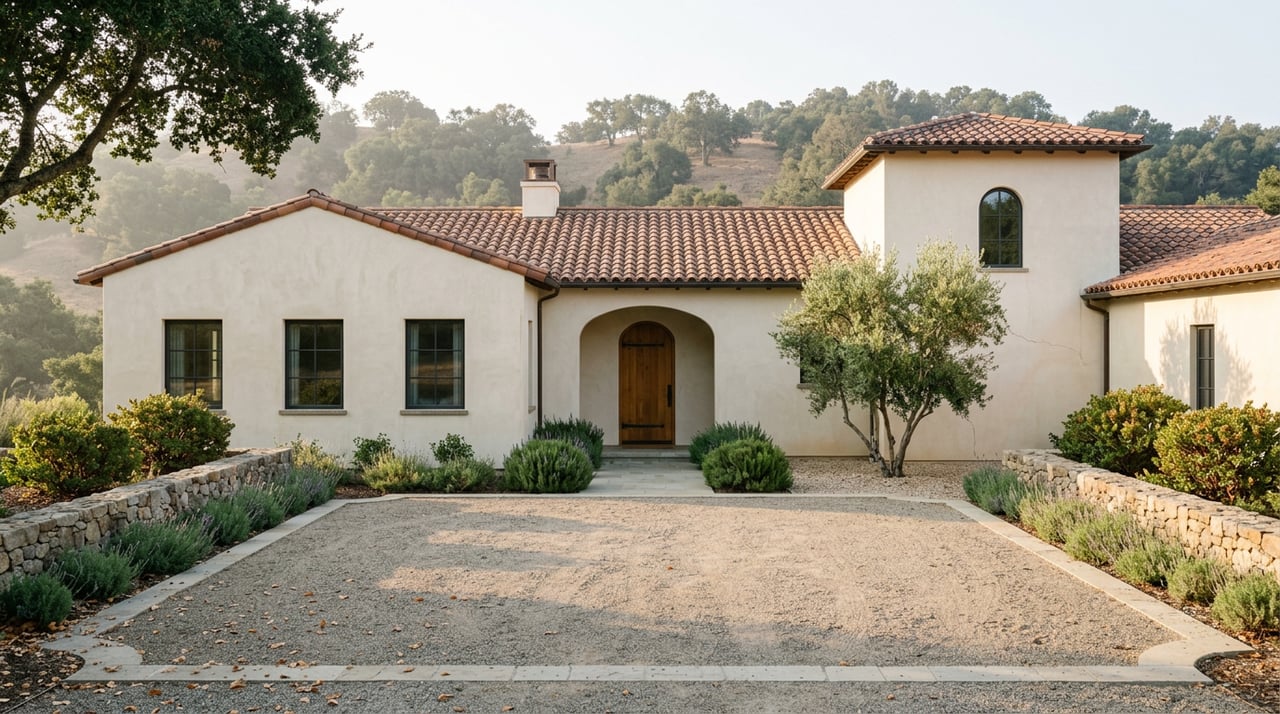
Head the other direction, up into the foothills along Garrod Road, Mount Eden Road, or Congress Springs Road, and the experience is a different kind of errand entirely. Cooper-Garrod Estate Vineyards at Garrod Farms shares its hillside with a full equestrian center, horses in the paddocks and vines on the slope above them, on land the Garrod family bought from the Mount Eden Orchard and Vineyard Company in 1893. They grew prunes and apricots there for decades before switching to grapes, and five generations later the family still farms the same ground. Savannah-Chanelle Vineyards, further up Congress Springs Road, pours out of a century-old building visitors often call the old mansion on the hill, with a view toward the Saratoga Gap, the same pass where, as the local story goes, loggers once hauled milled redwood down the mountain to help rebuild San Francisco after the 1906 earthquake.
Neither kind of visit is better. But conflating them, treating a five-minute village stop and a switchback drive to a working estate as the same category of outing, is exactly what a generic list does and exactly what misses the point of going up there in the first place.
| Winery | Where you'll find it | What makes the visit different |
|---|---|---|
| Roudon-Smith Winery | 14572 Big Basin Way, in the village | Walkable tasting room, no hillside drive |
| Cooper-Garrod Estate Vineyards at Garrod Farms | 22645 Garrod Rd | Working winery and stables on land farmed by one family since 1893 |
| Savannah-Chanelle Vineyards | 23600 Congress Springs Rd | Tasting room in a century-old hillside building with a view toward the Saratoga Gap |
| House Family Vineyards | 13336 Old Oak Way | One of several small, family-run estates tucked off the main wine roads |
| Mount Eden Vineyards | 22020 Mount Eden Rd | High-elevation estate above the valley fog line |
If you've assumed harvest season is basically over by the time August rolls around, that assumption comes from watching news coverage of Napa, not from watching what happens on your own hillside. Across California, picking starts as early as the third week of July in the hottest inland pockets and doesn't finish until the first week of November on the coolest, highest blocks. That's a fifteen-week window, and where any given vineyard falls inside it depends almost entirely on elevation and how much fog reaches the vines at night.
The estates above Saratoga sit high enough in the Santa Cruz Mountains to stay above the valley fog line most mornings, which is part of why fruit up there tends to ripen later than vineyards down on the flats a few miles east. Late August is closer to the start of that clock than the end of it for a lot of these hillside blocks. The crush that's already visible along Garrod Road right now is the leading edge of a season that, for the higher vineyards, will keep going into October.
That matters for anyone planning a weekend around it. A visit in late August looks nothing like a visit to the same winery in early October, and neither looks like a visit in June. Harvest isn't a single weekend you can circle on a calendar. It's a stretch of shifting weeks where the experience changes depending on exactly when you show up.
Here's the part a listicle won't tell you, because a listicle doesn't visit these places more than once. Small, family-run wineries don't staff like production wineries. Many of them pour only Thursday through Sunday, and during harvest even that schedule can shift without much notice, because the same handful of people running the tasting counter are also running the crush pad.
That cuts two ways. Show up on a busy weekend afternoon during peak harvest and you might get a seasonal pourer moving fast through a full room, more focused on getting through the line than talking about the vintage. Show up on a quiet weekday, when it's open, and you're far more likely to end up talking to whoever actually made the wine. At Cooper-Garrod, that's meant, for longtime regulars, getting to know the family running the place directly, rather than an interchangeable staff member. It's a small distinction, but it's the difference between a tasting and a conversation, and it's available to anyone willing to go on a Tuesday instead of a Saturday.
Cooper-Garrod's tasting room is actually open every day, weekdays from 12:30 to 5 and weekends from 11 to 5, which makes it one of the easier stops to catch on a quiet afternoon. Savannah-Chanelle, by contrast, closes Monday through Wednesday entirely. Knowing that before you drive up saves a wasted trip and points you toward the better version of the same visit.
Because these hillside estates cluster within a few miles of each other, the smarter move during harvest isn't picking one winery. It's stringing two or three together into a loop, timed for the hours when the roads and the tasting rooms are both quiet:
None of this requires reservations weeks out or a special occasion. It requires knowing which roads to string together and which afternoons to avoid, which is the kind of thing you only pick up by living here long enough to notice the pattern.
The generic version of this story treats Saratoga's wineries as a checklist: visit them all, rate them, move on. The version that actually holds up if you live here is different. It's that the hills above town aren't one wine country, they're two, village storefront and working hillside estate, and the six or eight weeks starting right now are the one stretch of the year when that difference is impossible to miss. The smell in the air on Garrod Road tells you which kind of visit you're about to have before you've parked the car.
If you're the kind of Saratoga resident who already knows these roads well enough to have a favorite quiet Tuesday afternoon, you probably also know the market around you better than any national site ever will. When the day comes that you're weighing a move, whether that's the house at the top of one of these hillside roads or somewhere closer to the village, Theresa Van Zant and Tom Yore have spent decades getting to know both kinds of Saratoga property just as closely as the wine roads themselves. Reach out anytime, or start with a free market analysis to see where your home actually stands.
Success starts with the right partnership. At the Yore | Van Zant Real Estate Group, we deliver personalized service, strategic insight, and results that move you forward.